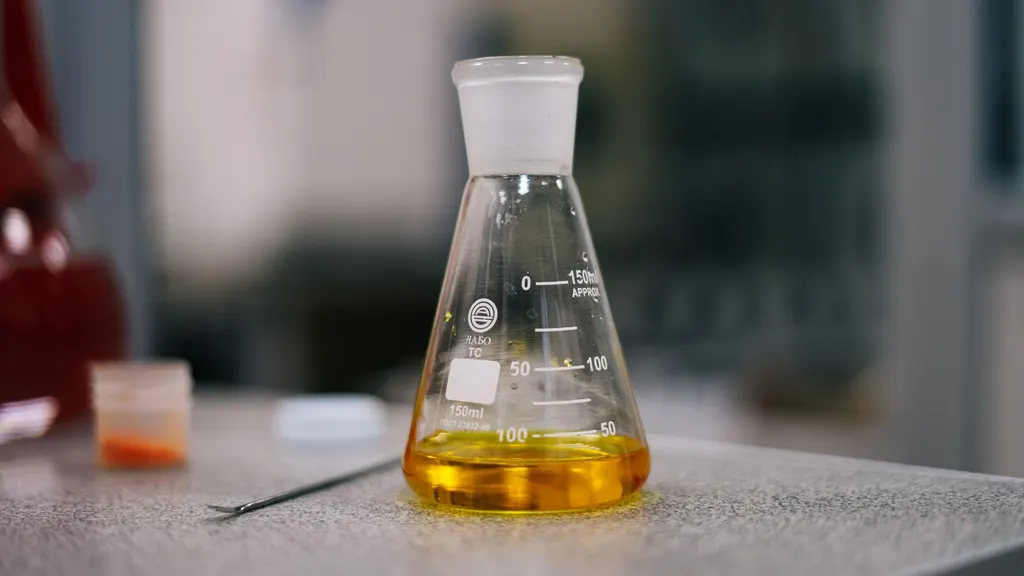
If you have spotted "THCA" on a hemp gummy label and wondered what it actually does, you are not alone. What is THCA? It is the raw, non-psychoactive acid form of THC that forms naturally inside every hemp plant before any heat or UV light reaches it. Once heat is applied, a simple chemical reaction converts it into active delta-9 THC. Understanding that shift could change how you read every hemp-derived product label you pick up.
What is THCA and why is it non-psychoactive in its raw form?
What is THCA, exactly? It is tetrahydrocannabinolic acid, the compound that accounts for 15-25% of dry weight in raw hemp flower, making it the most abundant cannabinoid before any heat reaches the plant. Formed when CBGA (the mother of all cannabinoids) breaks down through a specific enzymatic pathway, THCA carries an extra carboxyl group that blocks CB1 receptor binding in the brain.
THCA is the most abundant cannabinoid in live, unheated cannabis and hemp flower before any UV or thermal exposure is applied. When a fresh hemp bud shows 18-22% THCA on its lab report, that number reflects the raw acid precursor, not active THC. The PubChem compound profile for tetrahydrocannabinolic acid confirms its molecular formula as C22H30O4, structurally distinct from the C21H30O2 of delta-9 THC. That one extra oxygen-containing group changes how the molecule behaves in the body entirely.
Early preclinical research has identified properties of raw THCA beyond its structural inactivity at CB1 receptors. A 2013 study in the British Journal of Pharmacology found that THCA reduced nausea behavior in animal models through mechanisms distinct from those of delta-9 THC. Separate research has documented COX-1 and COX-2 enzyme inhibition in raw THCA, pointing to anti-inflammatory activity that operates independently of the CB1 receptor pathway.
This is exactly why understanding what is THCA matters before you buy any hemp-derived gummy: the THCA percentage on a COA refers to the acid form, not active psychoactive THC. A product showing 25% THCA is not a 25%-THC product in its unheated state.
How decarboxylation converts THCA into delta-9 THC
Decarboxylation is the reaction that strips the carboxyl group from THCA and produces active delta-9 THC. The NIDA cannabis research resource explains that this conversion is a defining step in how cannabinoids become biologically active, and the process begins at approximately 220°F.
At 220°F the reaction starts but is not instantaneous. Low, slow heat converts THCA gradually over 30-60 minutes, while rapid high heat, such as lighting hemp flower with a flame, causes near-instant conversion. A gummy maker who keeps processing temperatures below 170°F during extraction may preserve most of the THCA intact. One who heats extract above 250-300°F will convert the bulk of it to active THC before the product ever reaches you.
Sunlight also causes slow decarboxylation over days and weeks. Hemp products stored in clear containers near windows gradually lose THCA potency as UV light degrades the molecular structure. Good storage conditions matter for any hemp-derived product you want to keep in its stated form.
This is why what is THCA matters so much on a product label: the same compound that reads as non-psychoactive on a COA can become a source of delta-9 THC depending entirely on how a product was made and how you consume it.
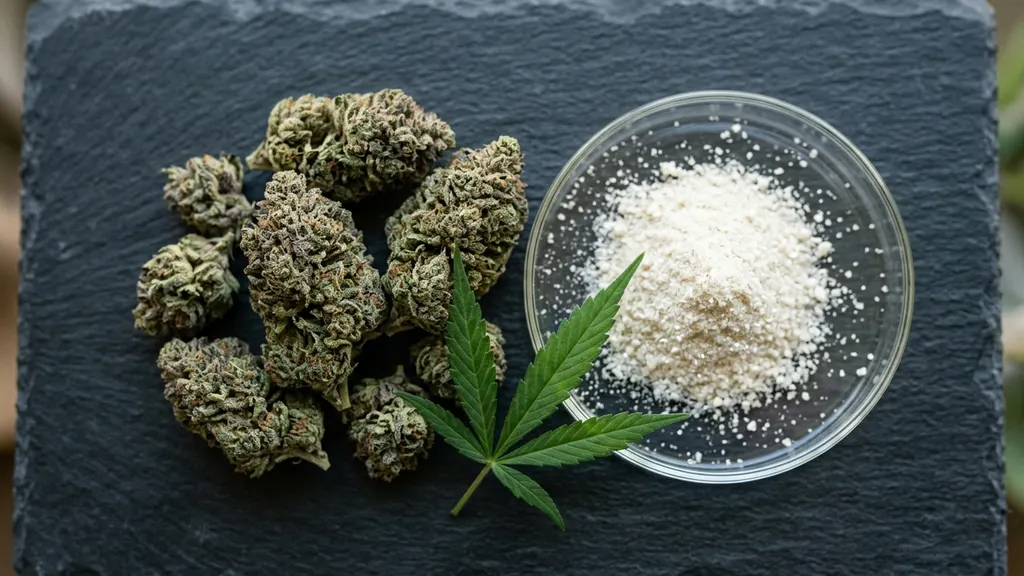
There is a full breakdown of this topic in What Is HHC? How This Hemp Cannabinoid Compares to Delta 9 THC.
What is THCA's legal status under the 2018 Farm Bill?
What is THCA's standing under federal law? The short answer is: complicated and shifting. The 2018 Agriculture Improvement Act (Farm Bill) defined hemp as cannabis containing no more than 0.3% delta-9 THC by dry weight. THCA is not delta-9 THC in its raw form, so plants and products with high THCA but low delta-9 THC technically met that definition at passage.
That reading allowed a wave of THCA flower and THCA-rich hemp-derived products to enter the market between 2019 and 2023. A hemp bud with 22% THCA and 0.15% delta-9 THC qualified as legal hemp under that interpretation, despite containing enough THCA to produce substantial delta-9 THC when heated.
In August 2023, the DEA issued a letter to attorney Rodney Patterson clarifying that THCA converting to delta-9 THC above 0.3% upon heating may be treated as a Schedule I controlled substance, the same federal scheduling tier that covers delta-9 THC itself.
State laws add further complexity. Several states have passed specific hemp regulations addressing THCA directly, while others rely on the federal framework. Before buying, check your state's current rules and review the complete guide to hemp-derived THC and the Farm Bill for more detail.
What is THCA compared to THCP, HHC, and other hemp cannabinoids?
What is THCA's place in the broader family of hemp-derived cannabinoids? The table below compares it with the compounds most shoppers encounter when researching hemp gummies.
| Cannabinoid | Psychoactive unheated? | Origin | Abundance in hemp | Farm Bill status |
|---|---|---|---|---|
| THCA | No | Natural (enzymatic) | High (15-25%) | Legal if delta-9 THC <0.3% |
| Delta-9 THC | Yes | Post-decarboxylation | Low (<0.3% in legal hemp) | 0.3% hard limit |
| THCP | Yes | Trace natural | Very low | Ambiguous |
| HHC | Yes | Semi-synthetic | Trace or produced | Ambiguous |
| Delta-8 THC | Yes | Semi-synthetic from CBD | Very low | Ambiguous |
Unlike THCP, which carries a longer alkyl chain that may allow stronger CB1 receptor binding, THCA exists in large natural quantities in raw hemp but requires heat to become psychoactive. Read more about THCP and how it differs from delta-9 THC, and learn how HHC compares to delta-8 and delta-9.
HHC is a semi-synthetic cannabinoid produced by hydrogenating THC, making it distinct from THCA in both origin and production method. Delta-8 THC is an isomer of delta-9 that occurs naturally in trace concentrations but is almost always produced synthetically from CBD at commercial scale. The USDA hemp regulations overview covers how post-Farm Bill rules apply to hemp-derived cannabinoid products more broadly.
The key distinction for buyers: THCA is a direct natural precursor to delta-9 THC and exists in large concentrations in raw hemp. The others are either trace compounds or semi-synthetics, which shapes how they are produced, regulated, and labeled on a COA.
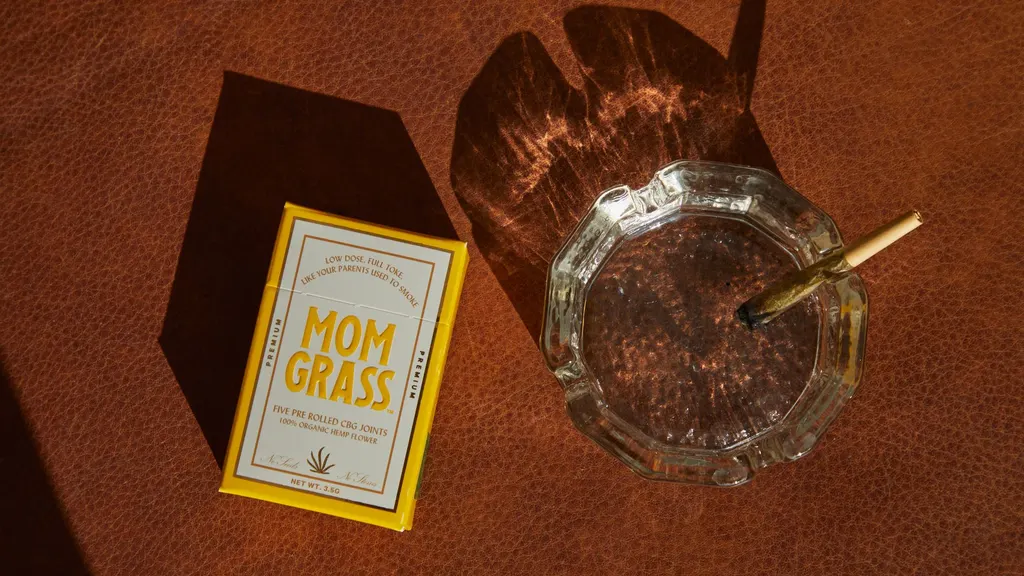
What is THCA on a product label? Five things to check before you buy
What is THCA showing you when it appears on a hemp-derived gummy label? The FDA hemp guidance and USDA hemp program documentation both flag incomplete COA disclosure as the most common accountability gap in the hemp-derived market. Checking these five items before purchase takes under two minutes and filters out the majority of non-compliant products.
- THCA percentage from a third-party lab. The COA should come from an ISO-accredited lab independent from the manufacturer. The FDA cannabis research and regulation overview notes that independent lab verification is a key element of accountability for hemp-derived goods.
- Delta-9 THC percentage. For legal hemp, this must stay below 0.3% by dry weight. A reputable brand lists it clearly alongside the THCA percentage, not buried in fine print.
- Heavy metals and pesticide panel. A complete COA covers more than cannabinoids. Look for results on lead, arsenic, mercury, and cadmium, plus a pesticide screen showing no prohibited residues.
- Batch number match. The batch number on the product packaging should match the batch number on the COA. A mismatch may mean the COA does not reflect the product in your hand.
- Processing temperature disclosure. If the maker processed at high temperatures, THCA may have already converted to active delta-9 THC. Check the product description for cold-processing notes or ask the brand directly.
Frequently asked questions
Does THCA get you high?
Raw THCA does not produce psychoactive effects on its own. Its extra carboxyl group prevents it from binding strongly to the CB1 receptors in the brain that make delta-9 THC intoxicating. That changes once heat is applied: when a THCA-rich hemp product is heated above 220°F, decarboxylation converts THCA to delta-9 THC, which activates those receptors. According to the NIDA cannabis research overview, receptor binding affinity is the key driver of psychoactive potency. Whether THCA causes intoxication depends entirely on whether it has passed through a heat source before it reaches you.
Is THCA legal under the 2018 Farm Bill?
Under the 2018 Farm Bill, hemp and hemp-derived products must contain no more than 0.3% delta-9 THC by dry weight. Raw THCA is not delta-9 THC, so THCA-rich products with low delta-9 THC have been sold legally in many states. However, the DEA issued a clarifying letter in August 2023 stating that THCA converting to delta-9 THC above 0.3% upon heating may be treated as a controlled substance. State laws vary, so check your state's current rules and read the complete Farm Bill breakdown on hemp-derived THC for specifics.
What is THCA in a hemp gummy?
In a hemp-derived gummy, what is THCA telling you? It is the percentage of tetrahydrocannabinolic acid in the product, which may still be in raw acid form if the maker used cold processing, or may be partially converted to delta-9 THC if heat was applied during formulation. Per the USDA hemp program documentation, COA disclosures must include cannabinoid percentages. Always review the COA to see THCA and delta-9 THC listed separately before you buy any hemp-derived product. If the COA shows only a combined total-THC figure without separating the two, contact the brand directly before purchasing.
How is THCA different from delta-9 THC?
THCA and delta-9 THC share almost identical molecular structures. The only difference is an extra carboxyl group (-COOH) on THCA that prevents strong CB1 receptor binding. When heat removes that group through decarboxylation, the molecule becomes delta-9 THC, which fits those receptors and produces intoxicating effects. This single structural difference is why fresh hemp flower tests high in THCA but shows very little delta-9 THC on a standard panel. The PubChem THCA compound entry shows the complete structural comparison.
Will THCA show up on a drug test?
Standard urine drug panels test for THC metabolites, specifically 11-nor-delta-9-THC-9-carboxylic acid, not raw THCA. If you consumed only unheated THCA that never converted to delta-9 THC, a test would likely return negative. However, if the product was heated before or during consumption, converted delta-9 THC metabolizes normally and could appear on a standard panel. Some research suggests minor conversion can also occur during digestion. If employment or legal obligations require routine screening, consult a healthcare provider before using any THCA product. For full detail, see the guide to THC gummies and drug tests.
What should I look for on a THCA product label?
When buying any hemp-derived THCA product, look for four key items on the label and COA. First, the THCA percentage from a third-party ISO-accredited lab. Second, the delta-9 THC percentage, which must stay below 0.3% for legal hemp under the 2018 Agriculture Improvement Act. Third, a pass result on the heavy metals and pesticide screen from the same COA batch. Fourth, a batch number on the package that matches the COA. Any hemp-derived product missing these elements warrants extra caution before purchase.