
What is the actual difference between full spectrum vs broad spectrum vs isolate when you are staring at three nearly identical hemp-derived gummy jars on the shelf? The short answer: full spectrum keeps every hemp compound including up to 0.3% delta-9 THC, broad spectrum strips the THC but keeps the rest, and isolate is pure CBD with everything else removed. Each format has a real use case, and the right choice depends on drug testing, sensitivity, and what you actually want from the bottle.
What full spectrum vs broad spectrum vs isolate actually means on a label
When you compare full spectrum vs broad spectrum vs isolate on a hemp-derived gummy label, you are looking at three distinct extraction outputs from the same plant, each carrying a different compound profile, legal status under federal law, and drug-test risk. A 2017 JAMA analysis by Bonn-Miller et al. tested 84 CBD products and found fewer than one in three carried accurate potency labels, which is why the extract-type declaration and the COA behind it are the two most actionable facts on any hemp package.
Hemp is defined by the USDA under the 2018 Farm Bill as Cannabis sativa containing no more than 0.3% delta-9 THC by dry weight. Everything sold as a hemp product in the US, regardless of extract type, has to start there. After harvest, processors decide how much of the plant's chemistry to preserve, and that decision is what produces the three categories you see on the shelf.
Full spectrum hemp extract: the complete cannabinoid profile
Full spectrum hemp extract is the first of three formats in any full spectrum vs broad spectrum vs isolate comparison. It contains the complete cannabinoid profile of the hemp plant including up to 0.3% delta-9 THC, CBD, CBG (cannabigerol, the precursor cannabinoid from which most other cannabinoids in the plant synthesize), CBN (cannabinol, a minor cannabinoid associated with sleep research), and naturally occurring terpenes. Per FDA published guidance on hemp-derived products, anything above the 0.3% delta-9 ceiling on a dry weight basis is no longer hemp under federal law.
What that means in practice: a 10mg full spectrum gummy might contain about 9mg of CBD, fractions of a milligram of minor cannabinoids like CBG and CBN, terpenes such as myrcene and beta-caryophyllene, and a trace amount of delta-9 THC well under the federal limit. The trace THC is intentional. It is the reason full spectrum exists as its own category.
Some users notice a softer, fuller body feel from full spectrum products compared to isolate-based equivalents at the same CBD dose. The mechanism is debated, but researchers refer to it as the entourage effect, covered below. If you want context on how full spectrum compares to isolate at the gummy level specifically, our full spectrum vs isolate hemp gummies guide walks through real examples.
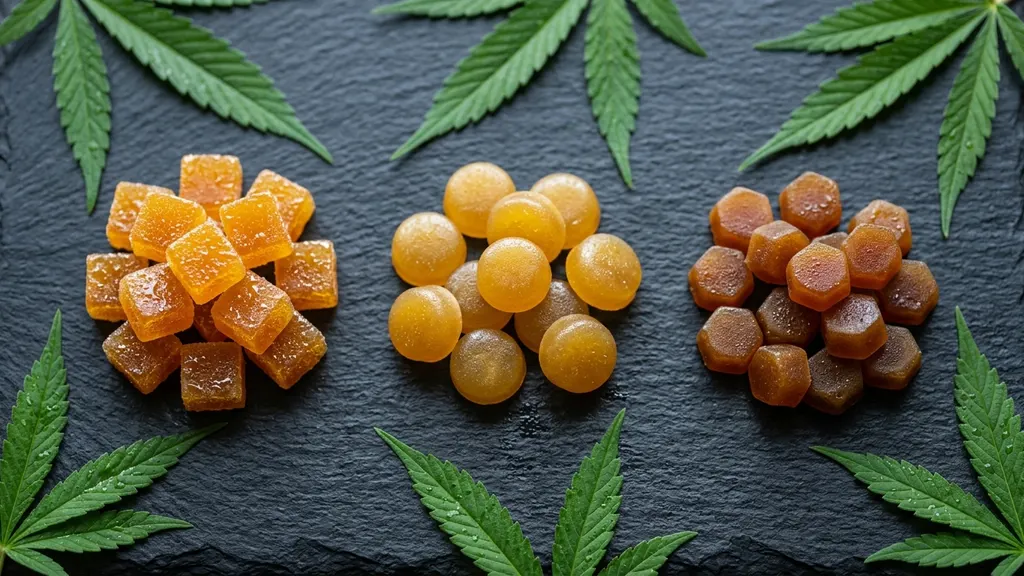
Broad spectrum hemp: THC-free but still chemically rich
Broad spectrum sits between full spectrum and isolate. Processors take a full spectrum extract and run it through an extra refinement step, usually chromatography, that removes detectable delta-9 THC while preserving CBD, the minor cannabinoids, and the terpenes. A reputable broad spectrum gummy still shows CBG, CBN, and terpenes on its certificate of analysis, just with the THC line reading "ND" or non-detect.
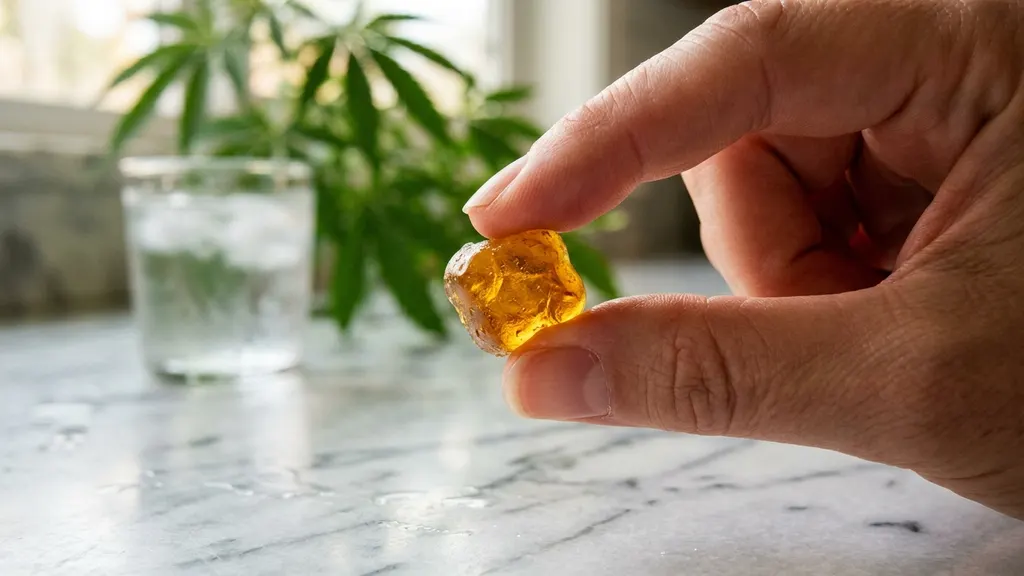
When users ask about full spectrum vs broad spectrum vs isolate at the counter, broad spectrum is often the answer for tested professionals. Demand for THC-free hemp products is real. Federal employees, commercial drivers under SAMHSA-regulated workplace drug testing, athletes in tested sports, and parents of young children all have legitimate reasons to avoid even the trace THC in a full spectrum product. Broad spectrum gives them most of the hemp plant's chemistry without that risk.
The trade-off: some research suggests the entourage effect is partially driven by the presence of THC alongside other compounds, so a broad spectrum extract may behave slightly differently from full spectrum at the same CBD dose. For most users at typical doses, the difference is subtle.
There is a full breakdown of this topic in Full spectrum vs broad spectrum hemp gummies: how to choose.
CBD isolate: pure cannabidiol when you need zero THC
CBD isolate is typically 99%+ pure cannabidiol with all other hemp compounds removed, making it the preferred choice for consumers who must avoid any detectable THC on drug tests. It usually arrives at the gummy kitchen as a fine white crystalline powder that is then dosed into the gummy base.
In the full spectrum vs broad spectrum vs isolate decision, isolate is the right answer for anyone whose career depends on a clean drug screen, anyone who reacts poorly to even trace THC, or anyone who simply wants a predictable single-molecule experience. Because isolate is just one molecule, you know exactly what you are taking and at what dose. There are no terpenes adding flavor or aroma, no minor cannabinoids contributing unknown effects, and no THC at all.
Isolate is also the format most often used in controlled CBD research summarized by the NCCIH, because researchers want to isolate the effect of a single molecule from confounding compounds.
The entourage effect: why full spectrum vs broad spectrum vs isolate matters
The entourage effect is the theory that hemp's compounds work better together than alone, and it is the strongest scientific argument in the full spectrum vs broad spectrum vs isolate debate. A 2015 study published in Pharmacology and Pharmacy by Gallily, Yekhtin, and Hanus found that a full plant cannabis extract produced greater anti-inflammatory activity than purified CBD isolate at equal doses. The PubMed-indexed Gallily et al. 2015 paper remains one of the most cited references for the concept.
What this study does not say: that full spectrum is medically superior, or that the entourage effect is fully understood. The research is preliminary, mostly in animal or in-vitro models, and human clinical data is still being built. What it does suggest is that the plant chemistry interacts in ways pure CBD alone does not replicate.
For shoppers, that is one input among several. If you can use full spectrum without drug-test concerns, the literature gives a defensible reason to try it. If you cannot, broad spectrum captures most of the same plant chemistry without the THC.
How to read a label: spotting full spectrum vs broad spectrum vs isolate at the shelf
Picking the right product comes down to label literacy. Once you can read a COA, the full spectrum vs broad spectrum vs isolate distinction stops being marketing language and becomes a measurable fact. The extract type should appear on the front of every reputable hemp-derived bottle. If it does not, that is the first warning sign. The second place to look is the certificate of analysis, which any honest brand will link or print a QR code for on the package.
On a COA, full spectrum extracts show a detectable delta-9 THC value under 0.3% along with CBD, CBG, CBN, and other minor cannabinoids. Broad spectrum shows the same minor cannabinoids but with delta-9 THC reading non-detect or "ND". Isolate shows only CBD as the active cannabinoid, often above 99% purity, with everything else reading non-detect. Our guide to reading a COA for hemp gummies walks through a real lab report line by line.
| Extract type | Contains THC? | Other cannabinoids | Best for |
|---|---|---|---|
| Full spectrum | Yes, up to 0.3% delta-9 | CBD, CBG, CBN, terpenes | Users not subject to drug testing who want the full plant profile |
| Broad spectrum | No (ND on COA) | CBD, CBG, CBN, terpenes | Most plant chemistry, near-zero drug-test risk |
| Isolate | No | None (CBD only) | Anyone needing a single, predictable CBD molecule |
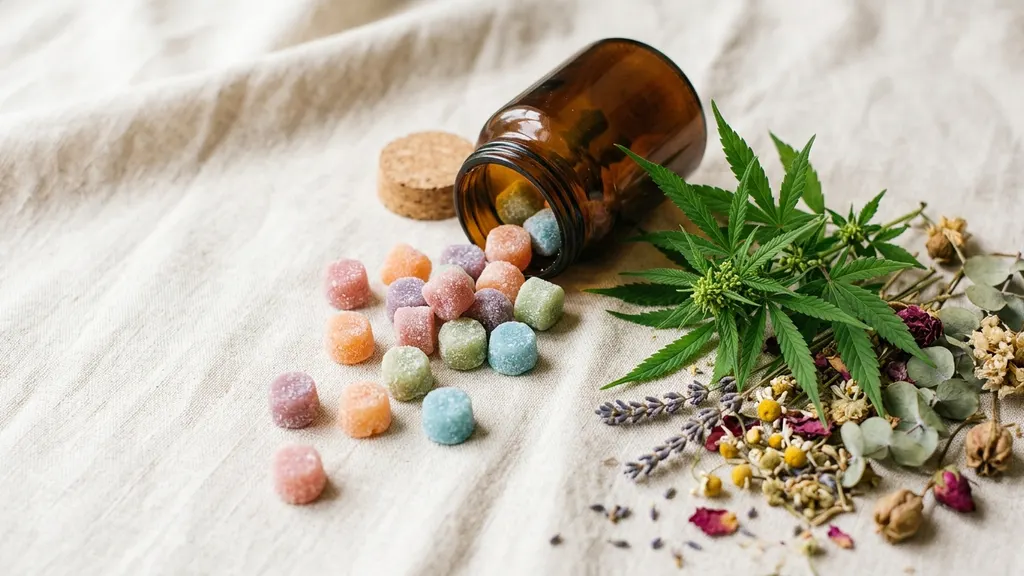
If you are still calibrating dose, see our beginner dosing guide. For drug-testing specifics, our drug test explainer walks through what a typical urine screen actually detects.
Frequently asked questions
What is the main difference in full spectrum vs broad spectrum vs isolate?
The difference is what survives extraction. Full spectrum keeps the full hemp plant profile including up to 0.3% delta-9 THC, CBD, minor cannabinoids like CBG and CBN, and terpenes. Broad spectrum keeps the cannabinoids and terpenes but removes detectable THC through additional chromatography. Isolate strips everything down to a single molecule, usually CBD at 99% or higher purity. Each format is legal under the USDA 2018 Farm Bill hemp rules as long as the source hemp itself stayed under 0.3% delta-9 THC by dry weight. Understanding full spectrum vs broad spectrum vs isolate as label categories is the first step in shopping smart.
Will full spectrum hemp gummies make me fail a drug test?
They can. Workplace urine screens look for THC metabolites, not the parent compound, so even trace THC from a full spectrum gummy can accumulate with daily use and trigger a positive result. The SAMHSA workplace drug testing guidelines set the standard initial cutoff at 50 ng/mL. If you are subject to any regulated screening, the full spectrum vs broad spectrum vs isolate question almost always lands on broad spectrum or isolate, both of which carry far lower risk. Even with non-detect THC, no hemp brand can guarantee a zero-risk result for an individual user.
Is the entourage effect real or just marketing language?
It is somewhere in between. The 2015 Gallily, Yekhtin, and Hanus paper in Pharmacology and Pharmacy demonstrated that a full plant extract outperformed pure CBD for anti-inflammatory response in animal models at equal doses. Other lab work has shown similar synergy patterns. What is missing is large-scale human clinical data, so calling it "scientifically proven" overstates the picture. Calling it "made up" understates it. The honest read: there is real evidence the plant's compounds interact, and full spectrum exists to capture those interactions where the law allows.
Can I take CBD isolate if I am sensitive to THC?
Yes, that is one of the main reasons isolate exists. Isolate carries no terpenes, no minor cannabinoids, and no THC at all, only CBD. People who get headaches, jitters, or anxious feelings from even trace THC often do well on isolate-based gummies. The trade-off is that you give up any potential entourage benefit. If you want a middle path, broad spectrum offers most of the plant's chemistry without detectable THC. The NCCIH overview of cannabinoids is a good starting point for understanding the compound differences.
How do I verify what type of hemp extract is actually in my gummies?
Check the certificate of analysis. A current COA from an ISO-accredited lab will list every cannabinoid tested and report each one as a measured value or non-detect. Full spectrum should show delta-9 THC under 0.3% with CBD plus minor cannabinoids. Broad spectrum should show CBD and minor cannabinoids with non-detect delta-9 THC. Isolate should show only CBD, usually 99% or higher purity. If a brand cannot or will not produce a recent batch-matched COA, consider that a red flag and choose a different product.
Which is best for sleep, anxiety, or pain: full spectrum vs broad spectrum vs isolate?
No single category wins for every use case, and current FDA guidance does not allow hemp brands to make health claims. What the research suggests: full spectrum or broad spectrum products that include CBN are often discussed in the sleep context, full spectrum is most associated with the entourage effect general-wellness pattern, and isolate works for people who want only CBD without other variables. For more on sleep specifically, our CBN gummies for sleep article walks through the 2026 research review.